Botanical Elements - Part 1: A Practical Evaluation for Digital Artists
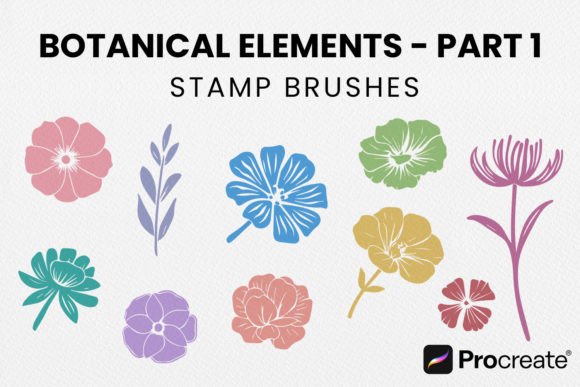
In the expansive landscape of digital illustration tools, the choice of brush assets often dictates the efficiency and aesthetic quality of a project. Botanical Elements - Part 1 represents a specific category of resources designed to streamline the creation of organic, nature-inspired graphics within the Procreate environment. This pack offers ten delicately crafted floral stamp brushes, serving as a foundational toolkit for artists seeking to integrate botanical motifs without starting from scratch. For professionals and hobbyists alike, understanding the utility, limitations, and comparative value of such a resource is essential before integrating it into a workflow.
Understanding the Core Functionality
At its most basic level, Botanical Elements - Part 1 functions as a collection of pre-rendered textures and shapes. Unlike traditional brushes that simulate the physical act of painting with variable pressure and tilt sensitivity, these are primarily "stamp" brushes. When activated, they place a static image of a flower, leaf, or vine onto the canvas with each tap. This distinction is critical for users evaluating whether this tool fits their technical requirements.
The design philosophy behind this pack prioritizes precision and consistency. Each of the ten elements has been fashioned with rigorous attention to detail, ensuring that edges remain crisp and details do not blur upon application. This makes them particularly effective for tasks requiring repetition or uniformity, such as creating seamless patterns, constructing complex background textures, or assembling distinct logo components. The ability to layer these stamps allows for depth and complexity that would otherwise require hours of manual drawing.
However, the static nature of stamp brushes means they lack the fluid dynamics of wet media. They do not blend colors automatically based on stroke speed, nor do they offer the organic variation of a hand-drawn line. Therefore, while Botanical Elements - Part 1 excels in placement and composition, it requires the artist to manage color blending, opacity, and rotation manually to achieve a cohesive look.
Comparing Approaches: Stamps vs. Procedural Brushes
When evaluating Botanical Elements - Part 1, it is necessary to compare it against alternative methods of creating botanical art in Procreate. The primary alternative is the use of procedural or textured brushes that simulate real-world media like watercolor, ink, or charcoal. These tools offer high variability; no two strokes are exactly alike, which can lend a more natural, hand-crafted feel to an illustration.
Tradeoffs in Workflow Efficiency
- Stamp Brushes (Botanical Elements): Offer speed and repeatability. Ideal for pattern making, logo design, and projects where a specific motif must be used multiple times with identical fidelity.
- Procedural Brushes: Offer artistic freedom and organic variation. Better suited for loose sketches, atmospheric backgrounds, and illustrations where the "imperfection" of the medium is desired.
Another comparison point involves vector-based alternatives. While Procreate is a raster-based application, many designers create botanical assets using vector software like Adobe Illustrator or Affinity Designer before importing them. Vector assets scale infinitely without loss of quality. In contrast, the stamps in Botanical Elements - Part 1 are raster images. If scaled up significantly beyond their original resolution, pixelation may occur. This is a crucial decision factor for projects intended for large-format print, such as billboards or packaging.
Style and Aesthetic Considerations
Beyond technical specifications, the aesthetic style of the brushes determines their fit for a specific project. Botanical Elements - Part 1 features designs that lean towards delicate and refined aesthetics. They are not heavy, impressionistic blobs but rather structured forms. This makes them well-suited for modern branding, elegant stationery, and detailed editorial illustrations.
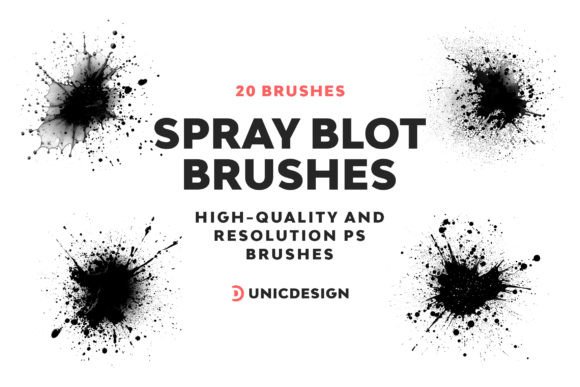
If a project requires a rustic, rough, or highly abstract botanical feel, this pack might feel too polished. In such cases, artists might prefer resources that mimic dry brush strokes or splatter effects. The "rigorous precision" mentioned in the product description is a double-edged sword: it ensures clarity but may limit the ability to create a looser, more spontaneous vibe without significant post-processing.
Ideal Use Cases and Application Scenarios
To determine if Botanical Elements - Part 1 is the right investment, one must consider the specific output goals. The following scenarios highlight where this toolkit provides the most value:
- Logo Design and Branding: Creating distinctive logos often requires clean lines and recognizable symbols. The stamp brushes allow for rapid iteration of different floral arrangements. An artist can quickly assemble various combinations to test concepts before finalizing a design.
- Seamless Pattern Creation: Designing repeating patterns for fabric, wallpaper, or digital backgrounds is time-consuming when drawing every element by hand. With ten distinct floral elements, an artist can construct complex tessellations efficiently, adjusting spacing and rotation to ensure a seamless flow.
- Illustrative Backgrounds: Adding depth to a character or product illustration often involves placing foliage in the background. Using these stamps allows for quick placement of leaves and flowers to frame a subject without distracting from the main focus.
- Unique Textures: By varying opacity and blending modes, these brushes can serve as texture overlays, adding subtle organic noise to flat color fields.
Limitations and Decision Factors
No single resource solves every creative challenge. While Botanical Elements - Part 1 empowers users to invent designs that set a class apart, there are situations where it may fall short. Understanding these limitations prevents frustration and wasted time.
Lack of Customization at the Source
Because these are pre-made stamps, you cannot alter the fundamental shape of the flower or leaf within the brush settings. You cannot turn a rose into a lily simply by changing a parameter. If a project demands a very specific botanical species that is not included in the pack of ten, the artist must either draw it manually or find a different resource. This limits the pack's utility for hyper-specific scientific illustrations or niche botanical studies.
Resolution Constraints
As noted earlier, the raster nature of these brushes imposes size limits. For web graphics, social media posts, and standard print sizes (A4, business cards), the resolution is typically sufficient. However, for large-scale murals or high-resolution packaging, the user must verify the DPI of the source files. If the stamps appear pixelated when zoomed in, the artist will need to upscale them using AI tools or redraw them at a larger scale, negating some of the time-saving benefits.
The Learning Curve for Composition
Having access to high-quality assets does not guarantee a good design. Because the brushes make it easy to place elements, there is a risk of over-cluttering a composition. Users must possess a strong sense of balance, hierarchy, and negative space. Without these skills, the result can look like a chaotic collage rather than a cohesive design. This pack acts as a gateway to exploration, but the direction still relies heavily on the artist's eye.
Strategic Integration into a Professional Workflow
For adults aged 20–50 who are comparing options for their digital toolkit, the decision to adopt Botanical Elements - Part 1 should be viewed through the lens of long-term workflow optimization. It is rarely the only tool needed but serves as a powerful complement to a broader arsenal.
A strategic approach involves using these stamps for the structural phase of a project—blocking out shapes, establishing patterns, and defining key motifs—and then switching to traditional or textured brushes for detailing and finishing. This hybrid method leverages the speed of the stamps while retaining the organic feel of hand-painted elements. For instance, an artist might use the floral stamps to create a border, then paint the interior details with a watercolor brush to soften the transition between the stamped elements and the rest of the artwork.
Furthermore, these assets can be customized further within Procreate. Artists can apply filters, adjust curves, or change color palettes to match a specific brand identity. This adaptability increases the lifespan of the asset pack, allowing a single purchase to serve across multiple projects with varying color schemes and moods.
Conclusion on Value and Fit
Botanical Elements - Part 1 occupies a specific niche in the digital art ecosystem. It is not a replacement for learning how to draw, nor is it a universal solution for all botanical needs. Instead, it is a specialized instrument designed for those who value precision, repetition, and efficiency in their creative process. For designers creating logos, illustrators building complex backgrounds, or pattern makers seeking variety, the pack offers a tangible advantage by reducing the time spent on repetitive tasks.
However, for artists whose work relies heavily on unique, one-of-a-kind strokes or who require vector scalability, other approaches may be more appropriate. The decision ultimately rests on the specific requirements of the project at hand. By weighing the strengths of rapid assembly against the tradeoffs of fixed shapes and resolution limits, users can determine if this toolkit aligns with their artistic vision. When used correctly, Botanical Elements - Part 1 serves as a robust foundation for endless graphic explorations, empowering creators to produce professional-grade results with greater confidence and speed.